Build note · Real Build Overview
Building a Tetromino-Style Mobile Game With AI
This is not a tutorial. It is a first-hand note on the tools and decisions behind a two-week, AI-assisted mobile game build in Godot.
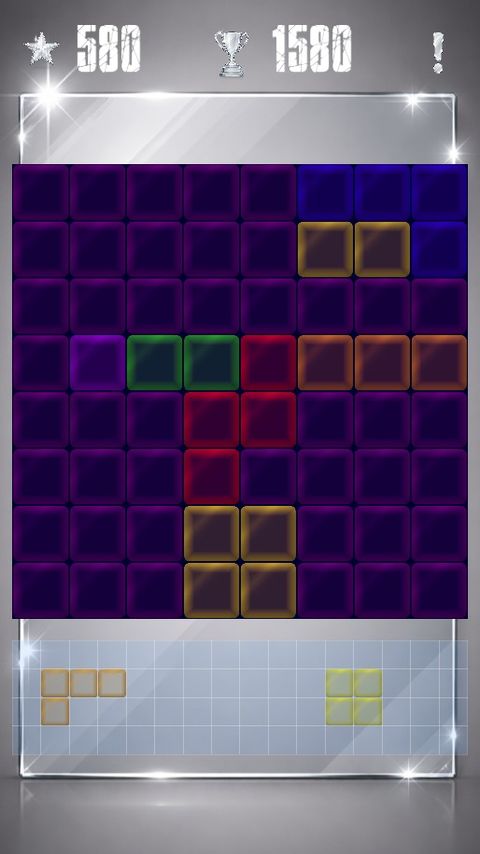
The project and the result
We built a tetromino-style puzzle game in which players pick up and place shapes instead of waiting for pieces to fall from the top of the screen. After two weeks, the project had a polished mobile interface and Google AdMob integrated.
We treated the result as app-store ready from the project side. That describes the state of the build; it is not a claim about store acceptance, downloads, revenue, or user feedback.
Why we used Godot
We had already chosen the Godot game engine. Three things mattered during this project:
- The editor felt light, quick to start, and responsive on our machine.
- Godot is free and open source under the MIT license, which fits YCBT’s preference for tools that do not place a royalty on the finished game.
- GDScript was readable enough for a beginner-facing project and practical for rapid iteration.
How AI actually helped
We used Claude, ChatGPT, Grok, and some Copilot during the build. The useful pattern was not loyalty to one model. When one conversation got stuck, handing the problem to another system sometimes produced a different route through it.
That distinction matters. The owner still chose the game, decided how it should feel, evaluated the output, and decided what belonged in the build.
Visuals and voice
AI tools also helped create the block sprites and interface graphics, including the score, high-score, and settings icons. We used ElevenLabs text-to-speech to generate phrases for the character that gives audible feedback.
Debugging was still part of the job
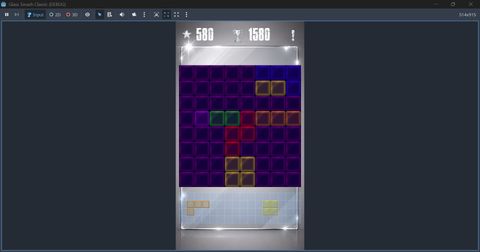
AI-generated code did not remove the need to inspect the running game, understand state, and debug the result. The project still depended on human decisions about:
- Where AI helped—and where it got in the way
- How game state and variables were structured
- Whether a suggested change matched the intended game behavior
What this build demonstrated
Two weeks was enough to move from an idea to a polished, monetization-integrated mobile build. The evidence is the working interface, the Godot project in the debugger, and the completed integration work—not a claim that AI finished the project by itself.
The durable lesson is simple: AI can accelerate a small build when the builder keeps ownership of the decisions, changes models when a line of attack stalls, and verifies the project in the actual engine.